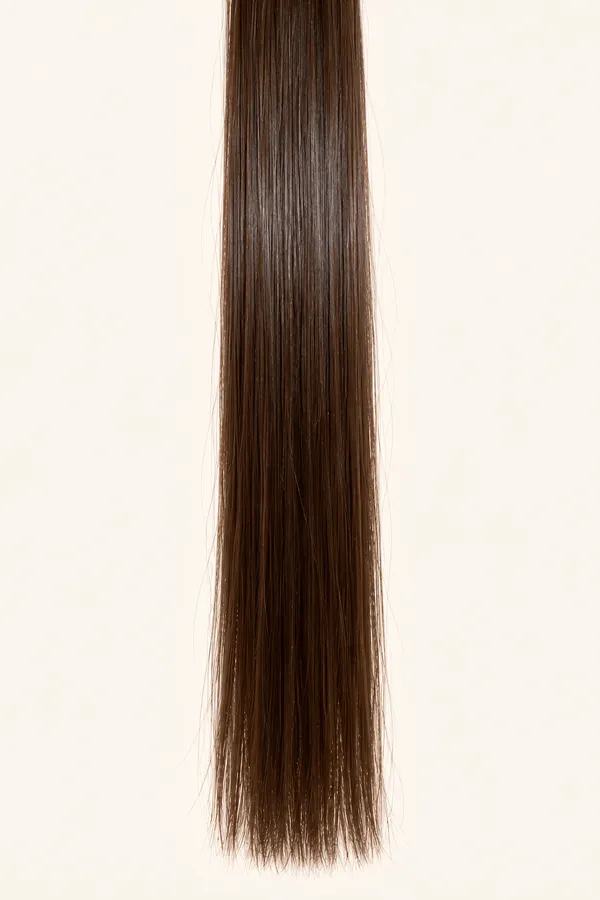
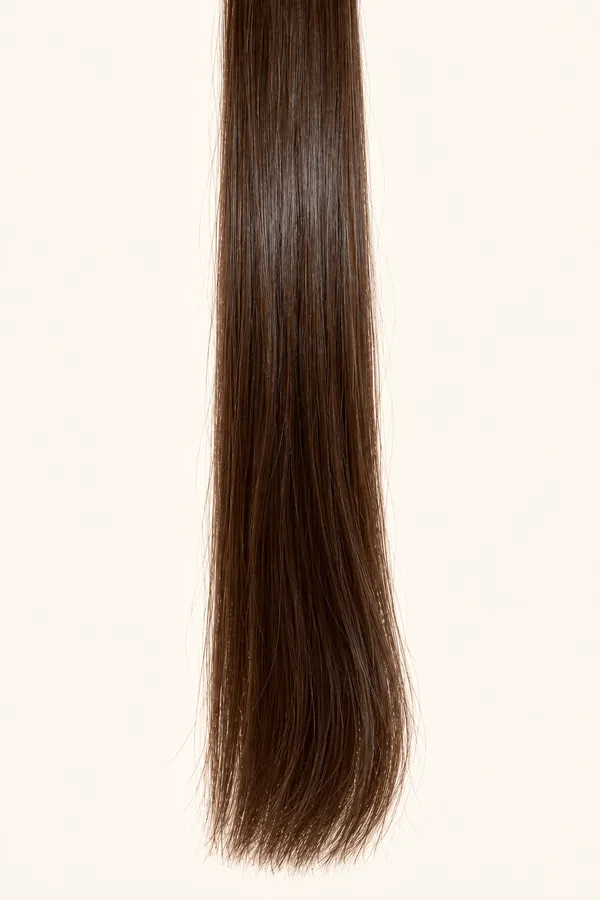
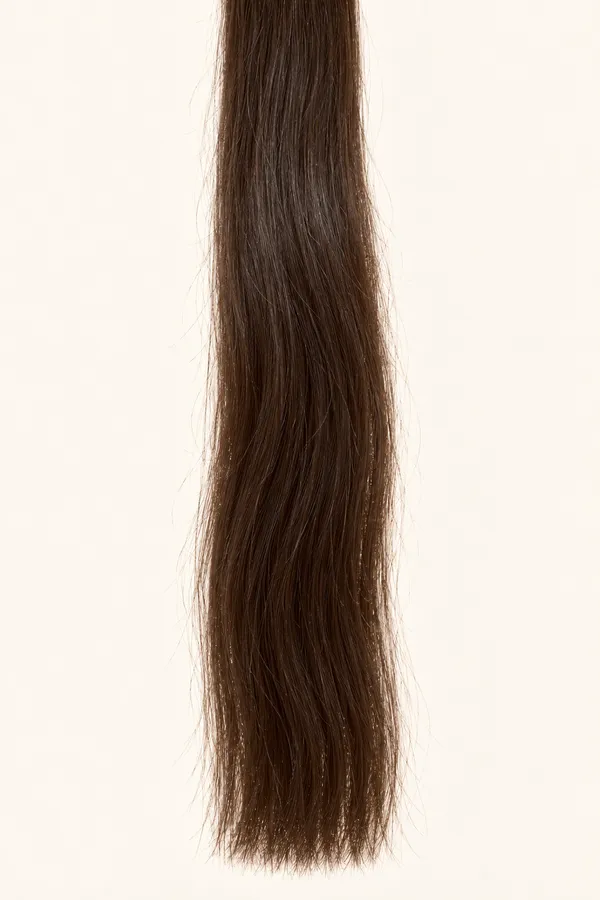
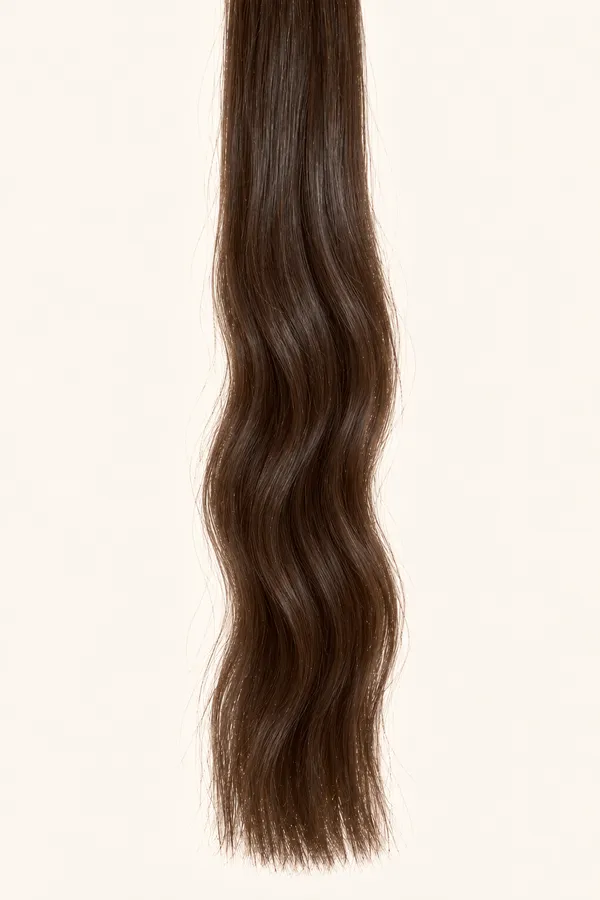
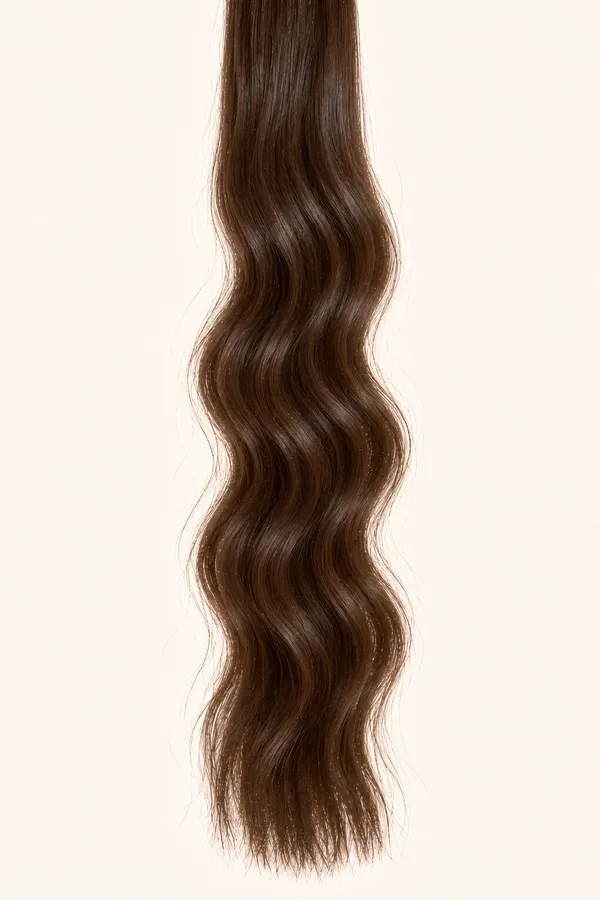
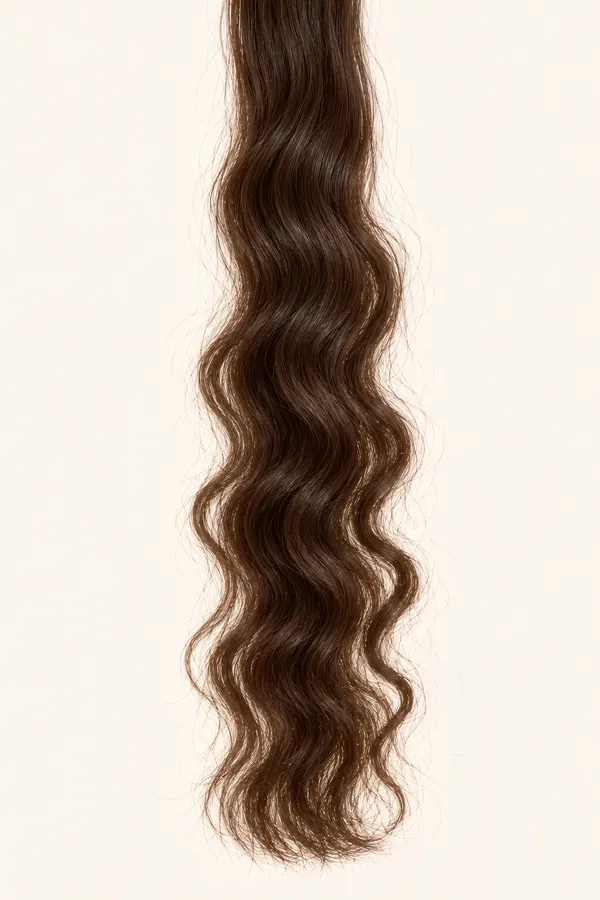
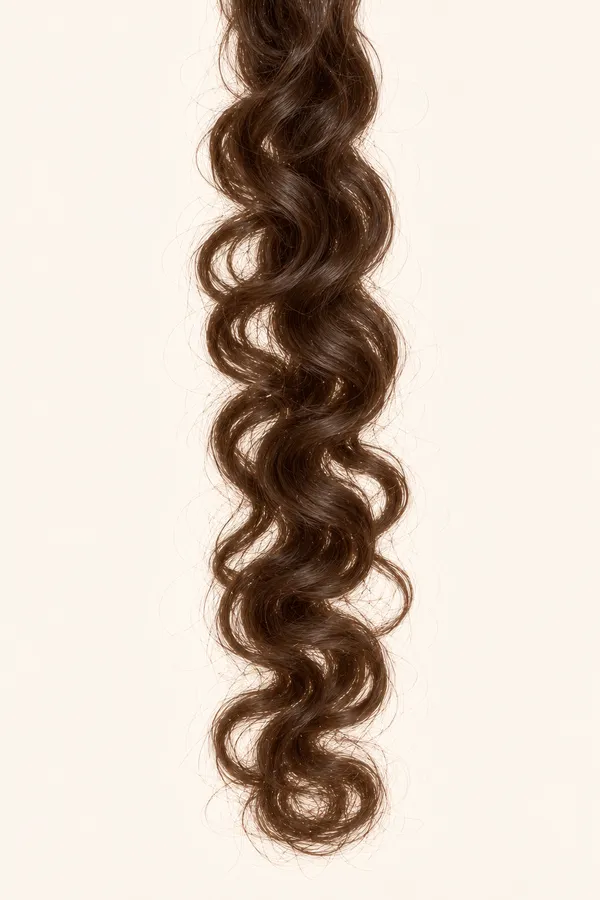
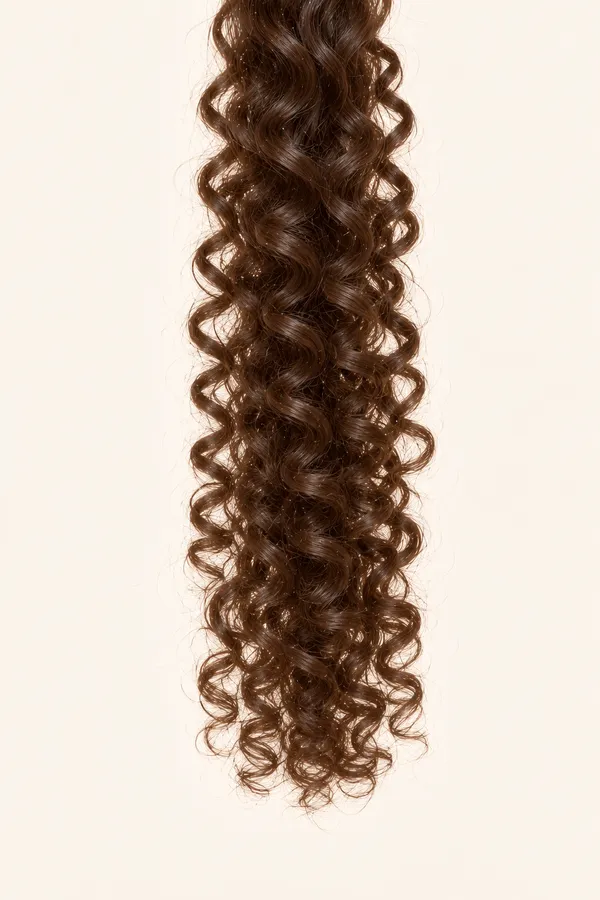
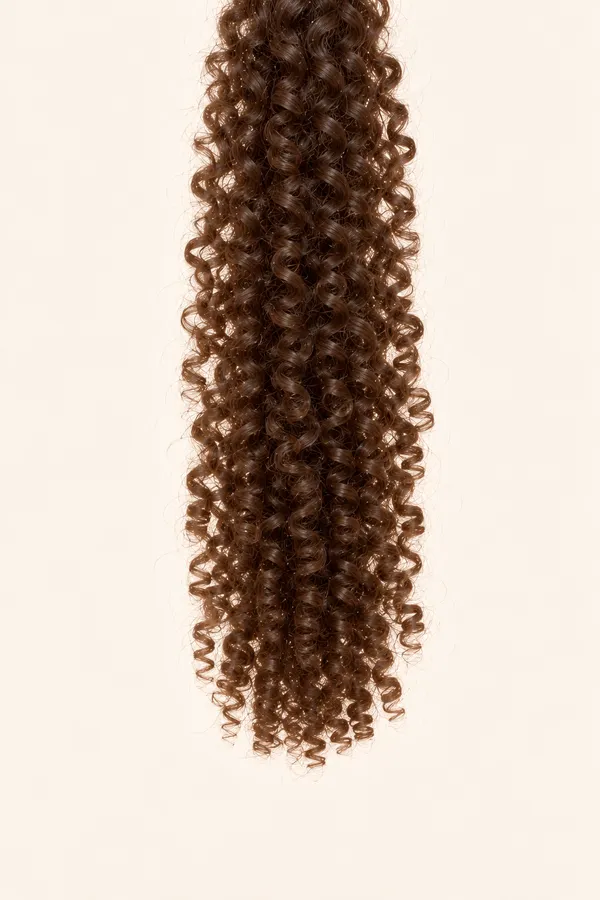
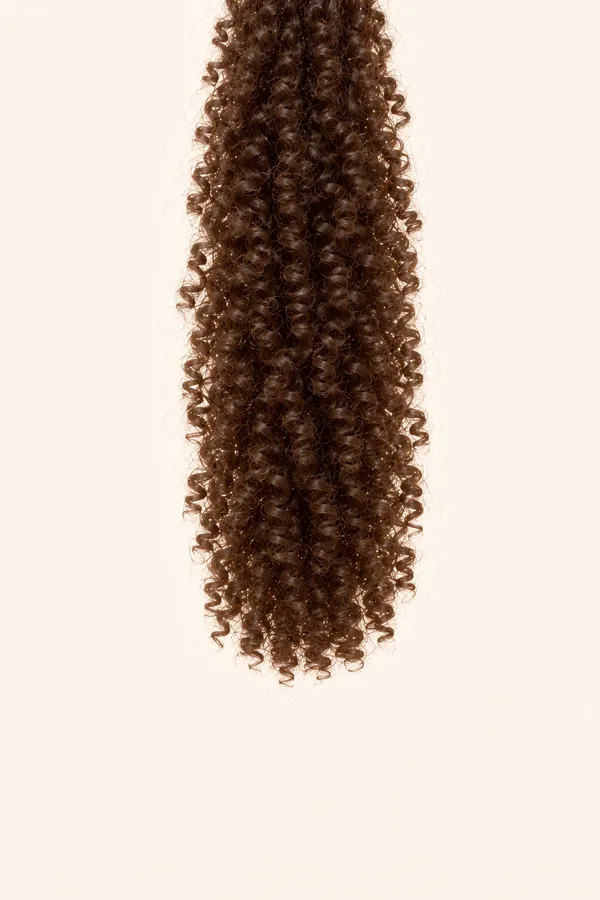
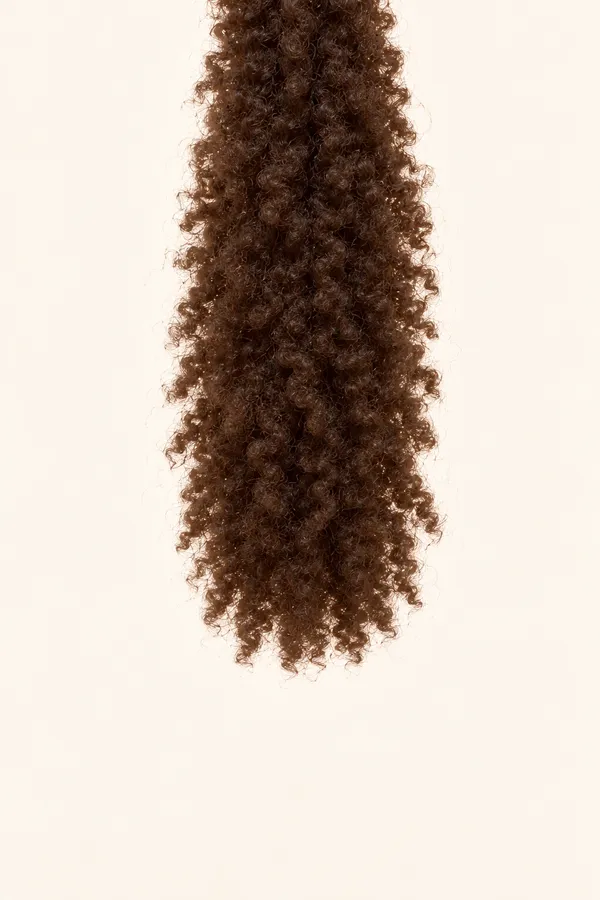
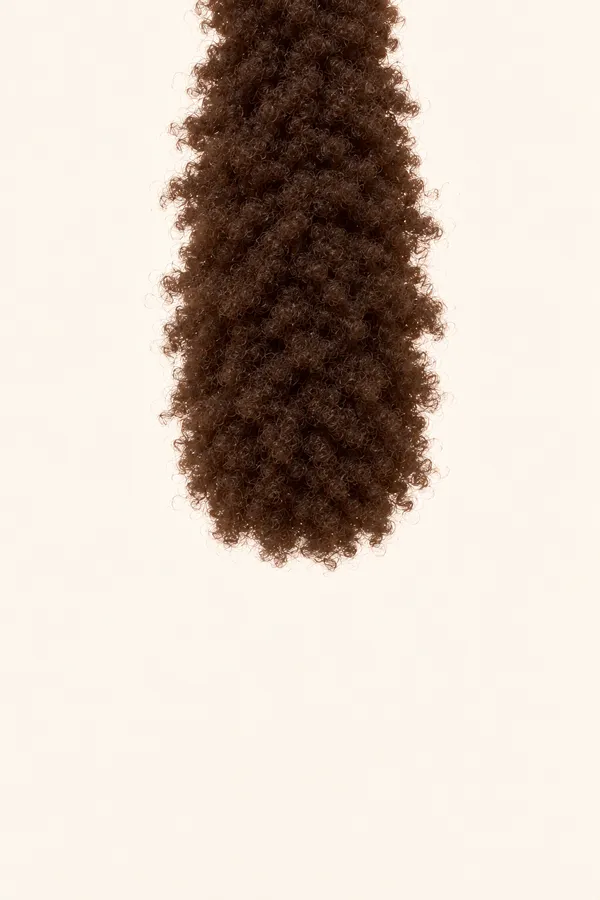
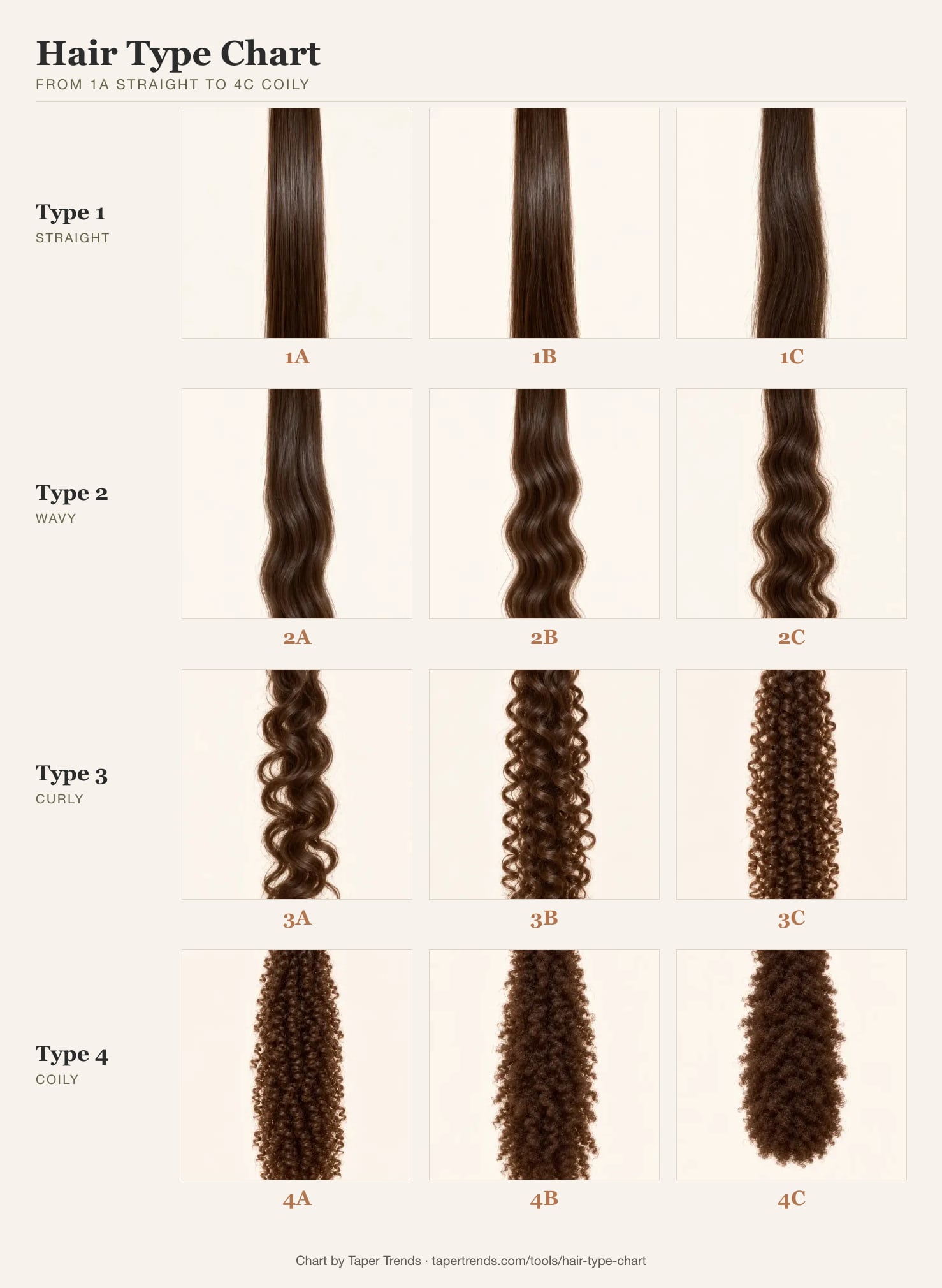
The chart at a glance
| Type | What it looks like | Cuts that suit it |
|---|---|---|
| Type 1A | Pin-straight, fine, and flat, with a strong natural shine. | Low taper fade for straight hair; Side part with a low taper |
| Type 1B | Straight with more body, and a slight bend toward the ends. | Low taper fade slick back; Textured fringe with a low taper |
| Type 1C | Straight but coarse, with a faint S-bend and a little frizz. | Mid taper fade with a textured fringe; Low taper fade for medium-length hair |
| Type 2A | Loose, barely-there S-waves that lie close to the head. | Low taper fade for wavy hair; Middle part with a low taper fade |
| Type 2B | Clear S-waves that start near the mid-length, with some frizz. | Mid taper fade for wavy hair; Mid taper fade with a middle part |
| Type 2C | Deep S-waves from the root, some starting to form loose curls. | Mid taper fade for fluffy hair; Blowout taper fade |
| Type 3A | Large, loose spiral curls with lots of shine. | Curly low taper fade; Blowout low taper fade for curly hair |
| Type 3B | Springy ringlets with clear definition and natural volume. | Mid taper fade for curly hair; High taper fade for curly hair |
| Type 3C | Tight corkscrew curls, densely packed, with lots of volume. | High taper fade for curly hair; Skin fade for curly hair |
| Type 4A | Tight, defined S-shaped coils with visible pattern. | Mid taper fade with an afro; Low taper fade with an afro |
| Type 4B | Z-shaped bends with sharp angles and a soft, fluffy feel. | High taper fade with an afro; Mid taper fade for black men |
| Type 4C | Very tight zigzags with little visible pattern and the most shrinkage. | High taper fade with waves; Low taper fade with waves |
How the hair type chart works
The chart sorts hair by one thing: the shape a strand takes when it dries on its own. That shape comes from the follicle. A round follicle grows a straight hair; the flatter and more curved the follicle, the more the hair bends as it grows. The number gives the family, and the letter shows how tight the pattern is within it.
- Type 1, straight: no bend. 1A is fine and flat, 1C coarse with a faint bend.
- Type 2, wavy: an S-shape that lies close to the head, from barely-there 2A to deep 2C.
- Type 3, curly: full loops, from chalk-wide 3A spirals to pencil-thin 3C corkscrews.
- Type 4, coily: tight coils and zigzags with lots of shrinkage, from defined 4A coils to 4C.
The system was popularized by the stylist Andre Walker in the 1990s and filled out into today's 12 types as it spread. It's descriptive, not a ranking: no type is better or harder than another, just different.
Why most people are a mix
It's normal to see two or even three patterns on one head: looser at the crown, tighter at the nape and behind the ears, curlier underneath than on top. Length changes things too. Short hair often looks straighter, because a curl needs a few inches to complete a loop. Go by the pattern that covers most of your head, and mention the others to your barber, since they affect how the top sits once the sides are short.
Why pattern isn't everything
Two people with the same type can have hair that behaves completely differently. That's down to three other traits, which the hair type quiz also asks about:
- Thickness: how wide each strand is. Fine hair needs lighter products; coarse hair holds shape and tolerates heavier ones.
- Density: how many strands you have. It sets the volume of a cut more than the pattern does.
- Porosity: how easily hair absorbs and holds moisture, which decides which products actually work.
Download the chart
Save the full chart as one image to share or print. You're welcome to use it on your own site or in your shop, with a credit link to this page.
Frequently asked questions
What do the numbers and letters on a hair type chart mean?
The number is the family: 1 straight, 2 wavy, 3 curly, 4 coily. The letter shows how tight the pattern is within that family, from A (loosest) to C (tightest). So 2A is a loose wave and 2C a deep one that's close to curly.
Which hair type is most common?
There's no reliable worldwide count, and many people have more than one pattern. Straight and wavy types are most common in some populations and coily types in others, so a chart is best used to describe your own hair rather than to compare.
Is a hair type chart accurate?
It's a useful shorthand, not a precise measurement. It describes curl shape only, and two people with the same type can have very different thickness, density, and porosity. Use it to find words for your hair, then let those other traits fine-tune your routine.