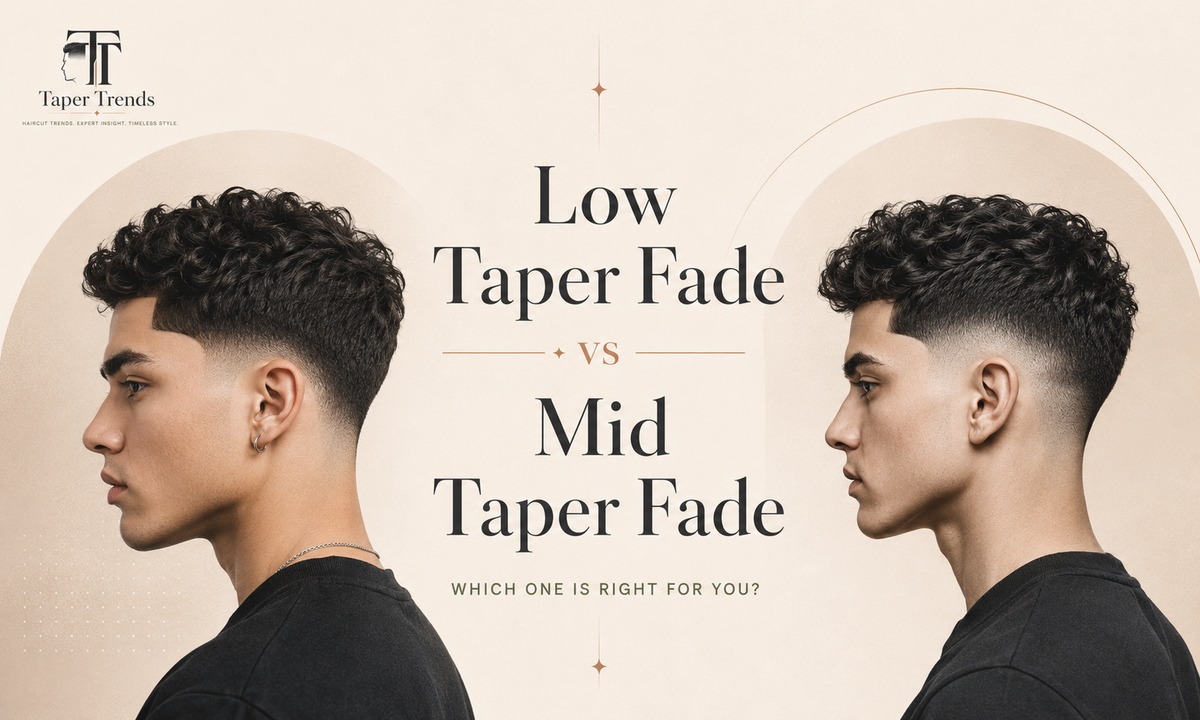
Deciding between a low taper fade vs mid taper fade comes down to one thing: where the fade starts. A low taper keeps the blend down near your ears and neckline, so most of your hair stays put and the cut reads clean and low-key. A mid taper moves that blend up toward the temple, which shows more skin on the sides and gives you a sharper, more noticeable contrast.
That single choice changes how the haircut photographs, how often you sit in the barber chair, and which face shapes it flatters. Neither one wins outright. The right pick depends on your hair type, your face shape, and whether you want a cut that blends into a room or one that stands out in it. Here is how the two compare, angle by angle, so you can ask for the exact fade you want.
The short version
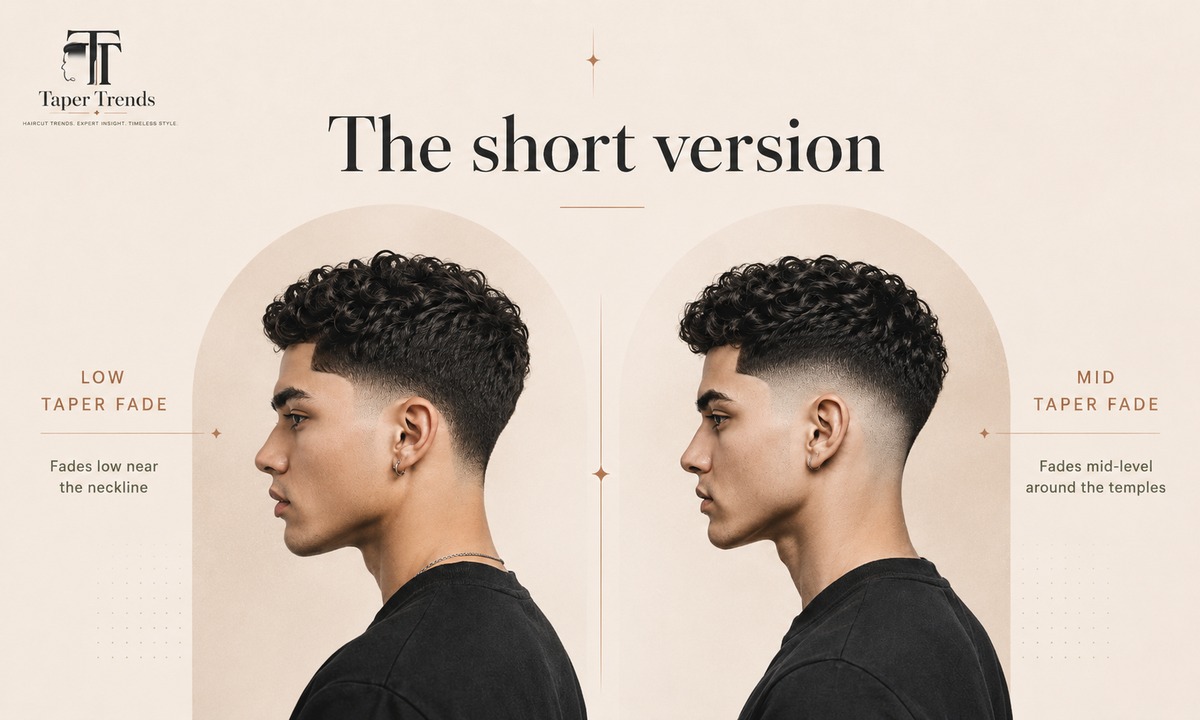
A low taper fade keeps the fade low, close to the ears and neckline. A mid taper fade lifts the blend higher up the sides, around the temple, for more visible contrast. Both belong to the taper fade family, so the technique is the same: the hair shortens gradually as it moves down the sides and back, ending very short or at the skin. Only the starting point changes.
| Feature | Low taper fade | Mid taper fade |
|---|---|---|
| Where the fade starts | Just above the ears and neckline | Around the temple, mid-side |
| Overall look | Subtle, clean, understated | Sharper, more defined contrast |
| Best for | Work, school, formal settings | Casual style, modern edge |
| Sideburns | Usually left a little longer | Often trimmed shorter |
| Upkeep | Every 3 to 4 weeks | Every 2 to 3 weeks |
| Grow-out | Blends in softly, forgiving | Shows regrowth faster |
| Contrast level | Low | Medium |
What is a low taper fade?
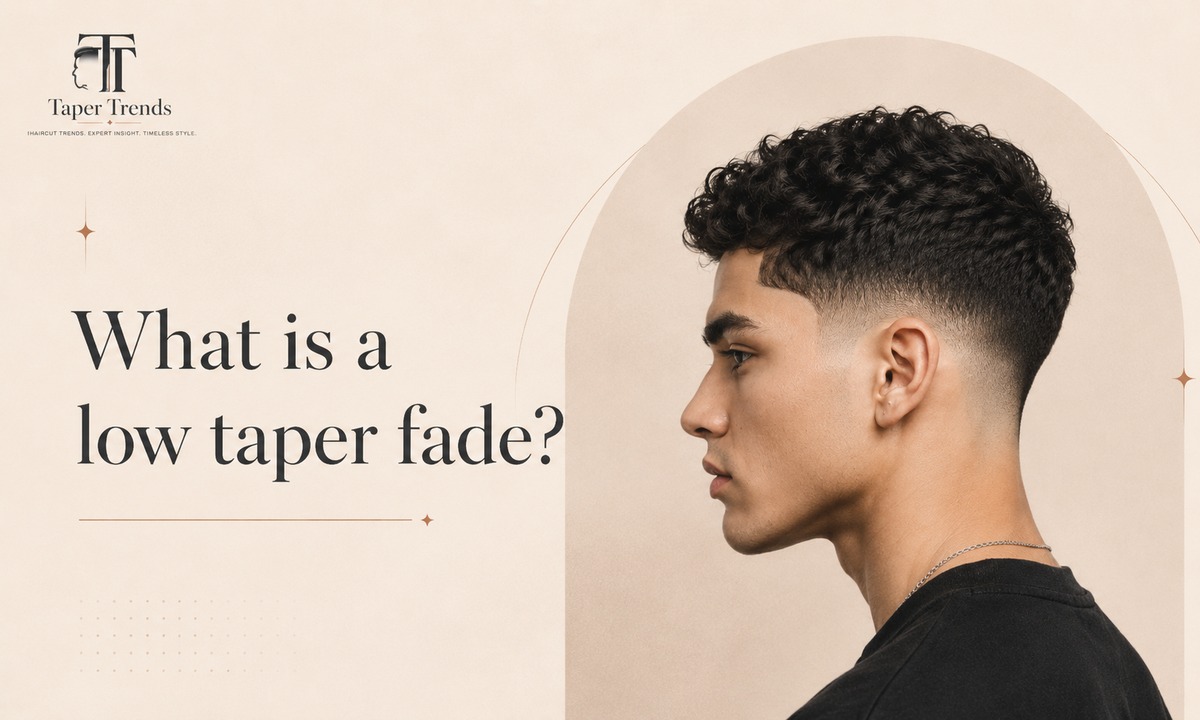
The low taper fade is the more conservative end of the taper family. The blend sits low on your head, right above the ears and around the neckline, and everything above that stays close to its natural length. Your barber takes the hair down to a very short guard or skin in that narrow lower zone, then leaves the rest of the sides and top mostly alone.
Because the fade tucks away near the neckline, you barely notice it unless you look closely. That is the appeal. It gives you a tidy, put-together blend without the “just walked out of the barbershop” announcement. If you work somewhere with a dress code, go to school, or just prefer a quieter cut that still looks sharp, this is the safe bet. If you want the full picture of this cut on its own, our complete low taper fade haircuts guide covers every style and hair type in one place.
Best low taper fade styles
- Low taper with a textured crop or fringe, which keeps the top soft and natural
- Low taper with a side part for a classic, office-friendly look
- Low taper with a beard, blending the neckline straight into a clean beard line
- Slicked-back low taper for formal events
What is a mid taper fade?
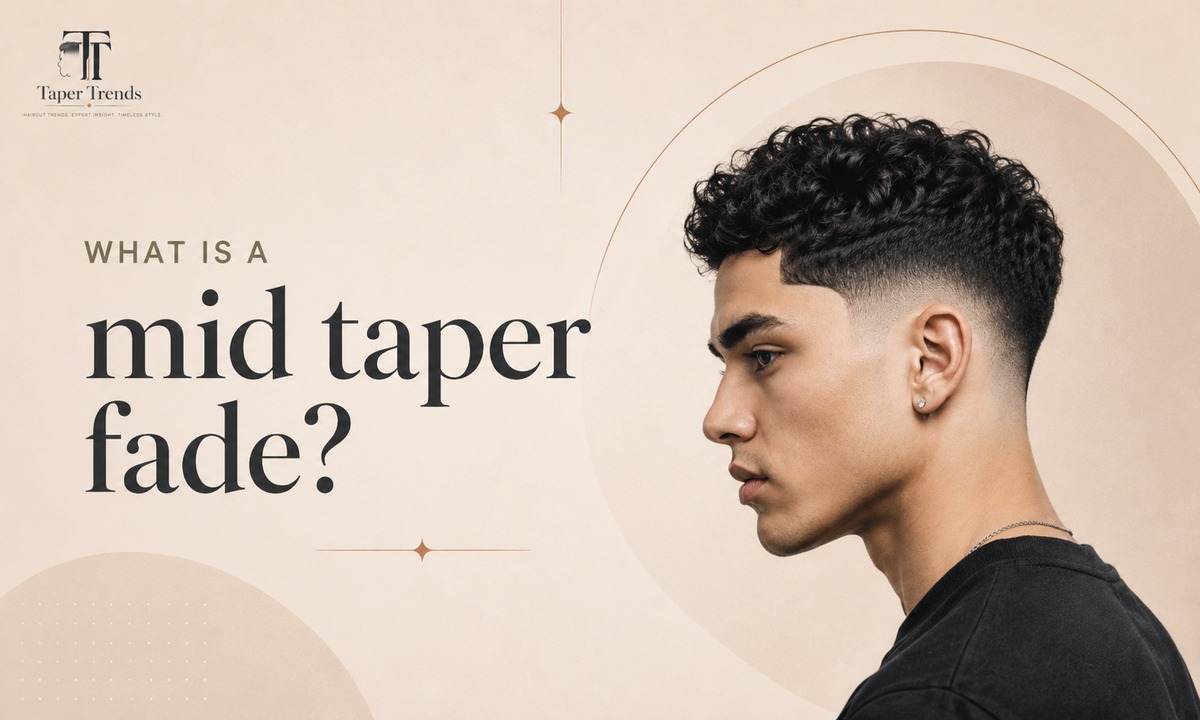
A mid taper fade brings more contrast into the picture. It is not as bold as a high fade, but it is a clear step up from a low taper. Instead of hugging the ears, the blend climbs toward the middle of the sides, near the temple. More of your head shows the gradient from short to long, so the transition catches the eye from more angles.
That extra visible fade is what makes the cut look crisper and more finished. It suits guys who want the haircut itself to do some of the talking, whether that is for a night out, a weekend look, or just a fresher edge day to day. A mid taper paired with a messy textured fringe has been one of the most requested men's cuts going into 2026, so any decent barber will know it on sight. Want the version that sits right between the two? Our low mid taper fade guide breaks down that in-between blend in detail.
Best mid taper fade styles
- Mid taper with a textured quiff for height and movement up top
- Mid taper with a hard part, a sharp line that suits the higher blend
- Mid taper with short sideburns to keep the whole look tight
- Curly or coily top with mid taper sides, which lets the texture stand out
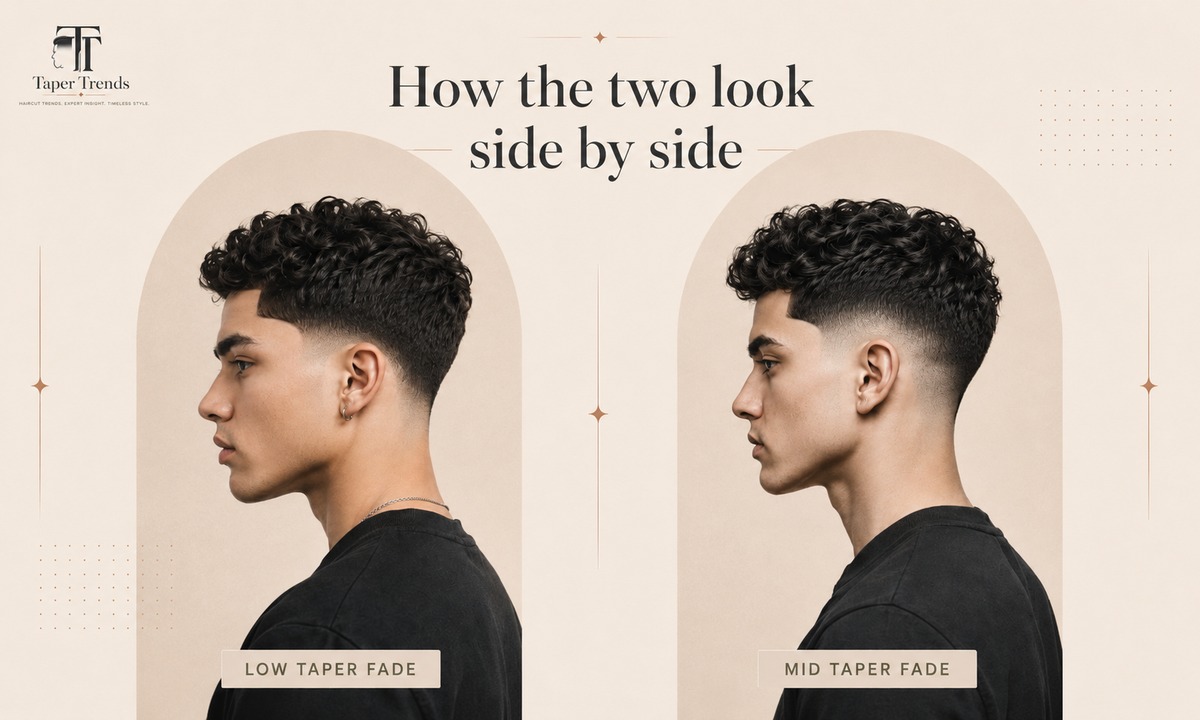
How the two look side by side
Photos flatten the difference, so here is what changes once you see each cut in person.
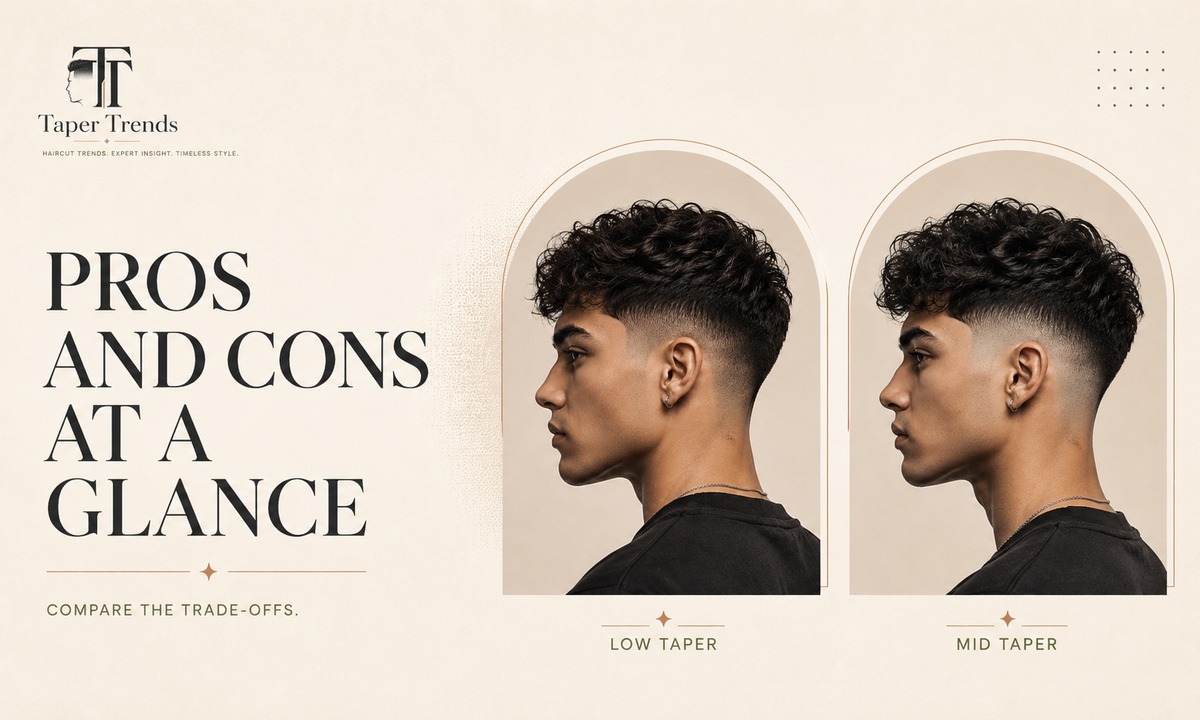
From the side, a low taper looks almost invisible. The hair shortens as it drops toward the ear, but the change is gentle enough that it does not jump out. A mid taper reads more styled from the same angle, because the blend starts higher and draws a clearer line of contrast before you add any product.
The neckline and back tell the story too. A low taper keeps things tight in a small, controlled zone near the neck. A mid taper carries the blend further up the back and sides, so there is more visible fading when someone looks at you from behind.
Around the hairline and temple, a low taper barely touches anything, and your hair stays fuller and closer to its natural shape. A mid taper trims more away from the temple, which can make the hairline look sharper, especially if you already have a strong hairline. If you want to see a low blend from every angle first, our guide on what a low taper fade looks like walks through the side, back, and top.
Which one looks more professional?
For an office, a classroom, or anywhere with a conservative dress code, the low taper is usually the safer call. It looks neat and deliberate rather than flashy, which is why it holds up well for interviews, client meetings, and formal events.
A mid taper is not unprofessional, just a little more expressive. It fits creative offices, relaxed workplaces, and everyday life where you want a clean fade with more personality. Think of it as the middle ground between a low fade and a bold high fade.

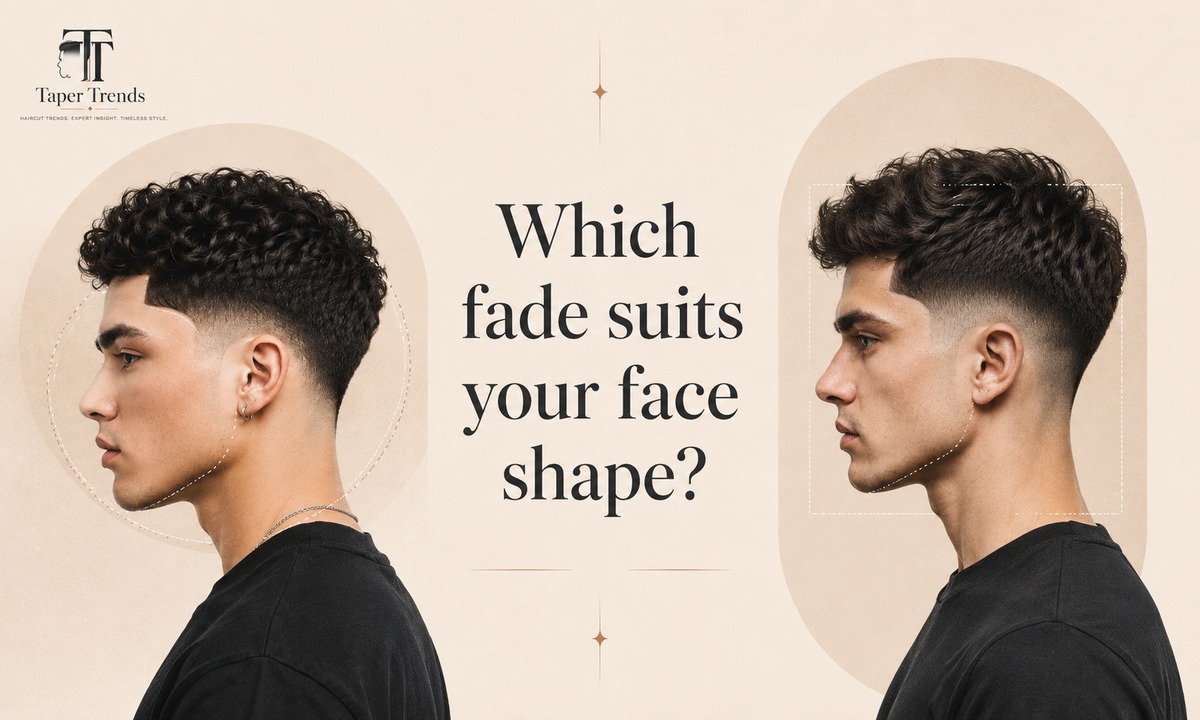
Which fade suits your face shape?
This is where a lot of online guides get it backwards, so it is worth slowing down.
- Long / oblong / ovalA low taper keeps more hair on the sides, which adds a little width. That balances longer, oblong, and oval faces instead of stretching them further. Oval faces can wear almost any fade, so a low taper is an easy, low-risk choice there.
- RoundA mid taper usually flatters a rounder face more. Lifting the blend higher strips bulk off the sides and pulls the eye upward, which slims and lengthens the face. A low taper tends to do the opposite and can make a round face look a touch wider.
- Square / diamondA mid taper adds definition to square and diamond faces, especially when you keep some height on top to accentuate the angles.
The most common mistake is chasing the trend instead of the face. A very short, flat top on a round face removes the height that would lengthen it, so the face ends up looking rounder no matter which fade you pick. If you have a round face and love the low taper look, you do not have to give it up — just ask for real height or texture on top to offset the side width, or lean toward a mid taper instead. And if your face is small or narrow, piling too much volume on top of a low taper can overwhelm it. A good barber will adjust the top length to keep things balanced whichever fade you choose.
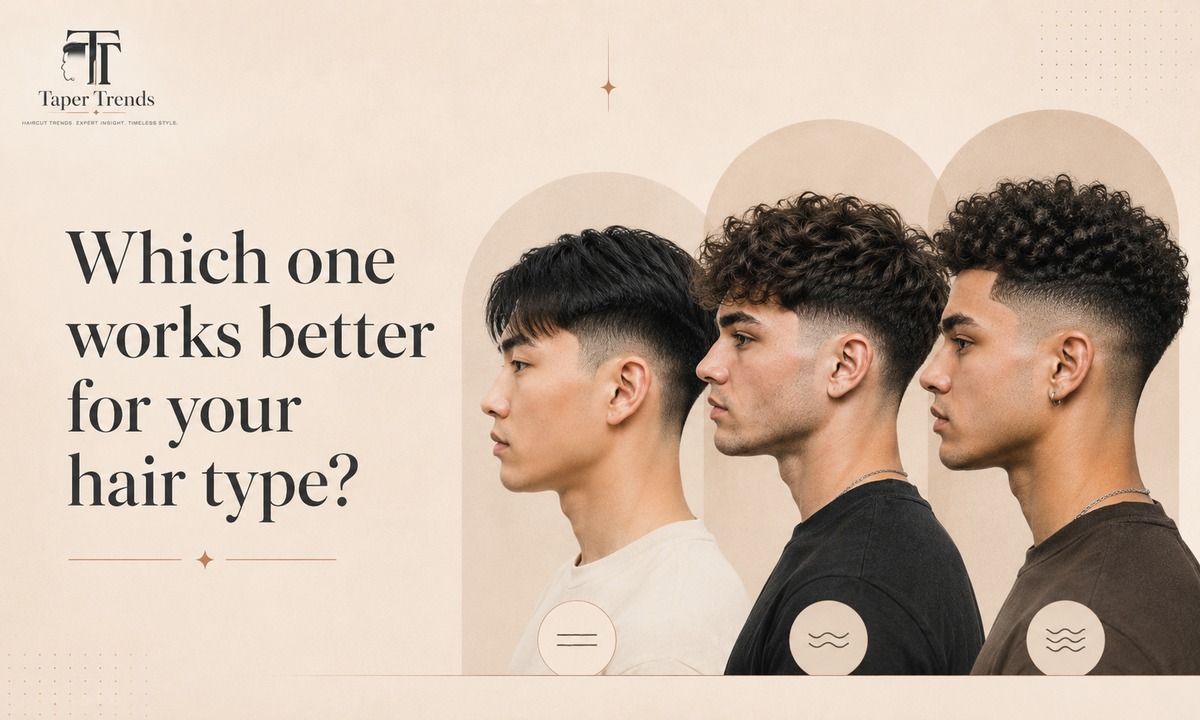
Which one works better for your hair type?
Straight hair lies flat, so a low taper keeps the sides trim without adding bulk and holds the whole shape clean from root to tip. Wavy and curly hair brings its own volume, and a low taper can balance that by keeping the sides quiet while the texture on top takes over. If you want your curls to pop harder, though, a mid taper gives you more contrast, since the higher blend makes the curl pattern stand out.
Thick hair gets heavy on the sides fast. A mid taper helps by pulling more weight off, which lightens the whole silhouette and keeps it from looking bushy. For coily or heavily textured hair, a mid taper is usually the better frame, because the sharper fade line sets off the texture up top and makes it read as intentional. If your hair is dead straight and you want top-style and product ideas, our low taper fade guide for straight hair goes deeper, and for coily textures, waves, and afros, the low taper fade guide for Black men covers the best styles and upkeep.
Pairing each fade with popular top styles
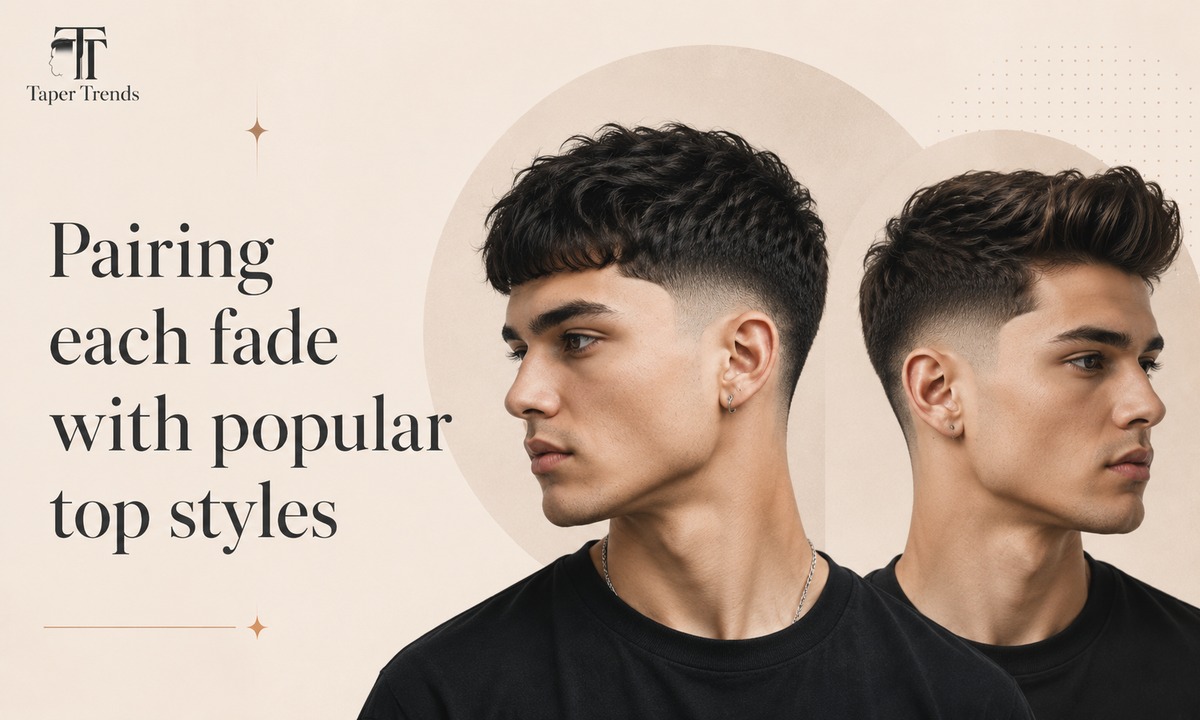
The sides are only half the picture. What you keep on top decides which fade lands best.
- Textured cropWorks with either cut. Go low taper for an everyday, understated finish, or mid taper if you want the crop's texture to stand out against a sharper line.
- FringeLeans toward the low taper. The soft, quiet sides let the fringe be the focal point instead of competing with a bold fade.
- Buzz cutUsually wants a mid taper. The short top needs contrast on the sides so it does not look flat. A low taper buzz is fine too, but it comes out more uniform.
- BeardPairs with both, and the low taper tends to melt into the beard line more naturally, giving you one continuous look from sideburn to jaw.
A couple of these pairings have their own deep dives: the textured fringe with low taper fade and the middle part low taper fade. Want height and full, brushed-up volume on top? The low taper fade blowout builds that lift with a blow dry. Prefer a rounded side profile over a straight fade line? A taper low burst fade curves the fade around the ear instead. And if you'd rather add a carved detail, our low taper fade design guide covers the best lines and shapes.
Maintenance: which one lasts longer?
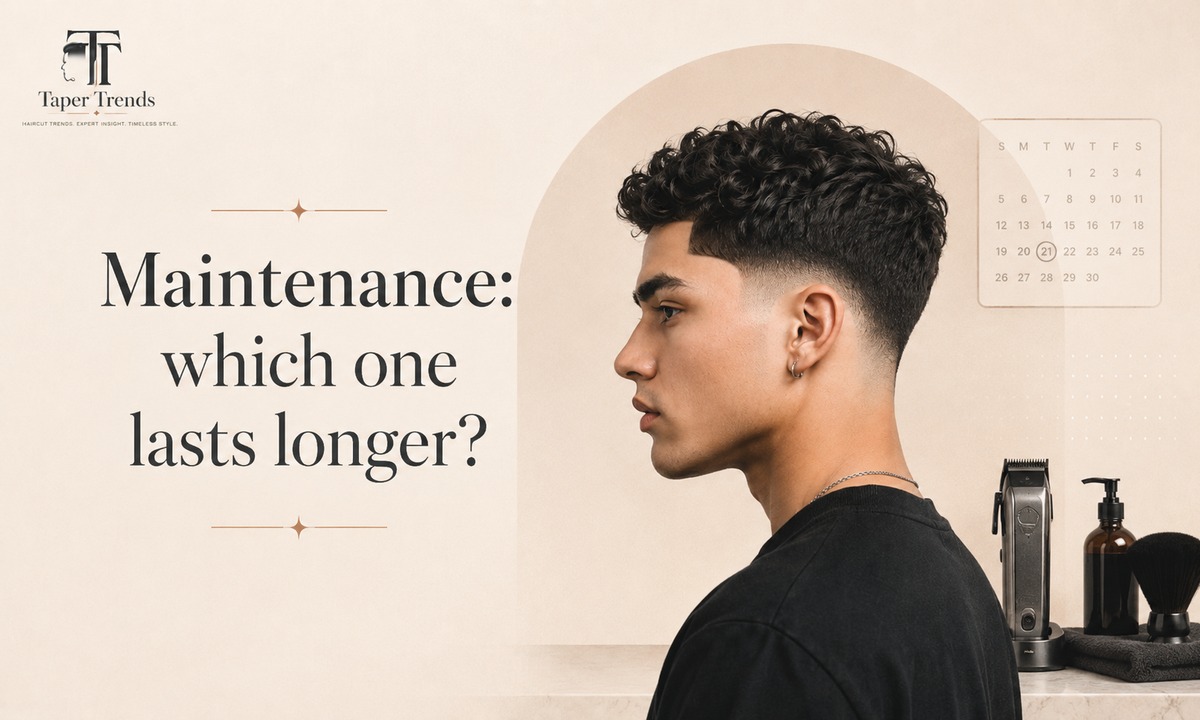
A low taper grows out gracefully. Because the fade sits low near the neckline, regrowth is harder to spot, so you can stretch appointments without the cut looking messy. A mid taper asks for more upkeep. The higher fade line means regrowth shows sooner and the blend can look uneven if you wait too long.
For a low taper, every three to four weeks keeps it sharp. A mid taper holds up best at every two to three weeks. If you want to stretch a touch-up, ask your barber to blend the fade a little softer at your last visit, which makes the grow-out phase look more intentional. Between cuts, a cheap trimmer run along the neckline and around the ears buys you an extra week or so.
Everyday styling and products
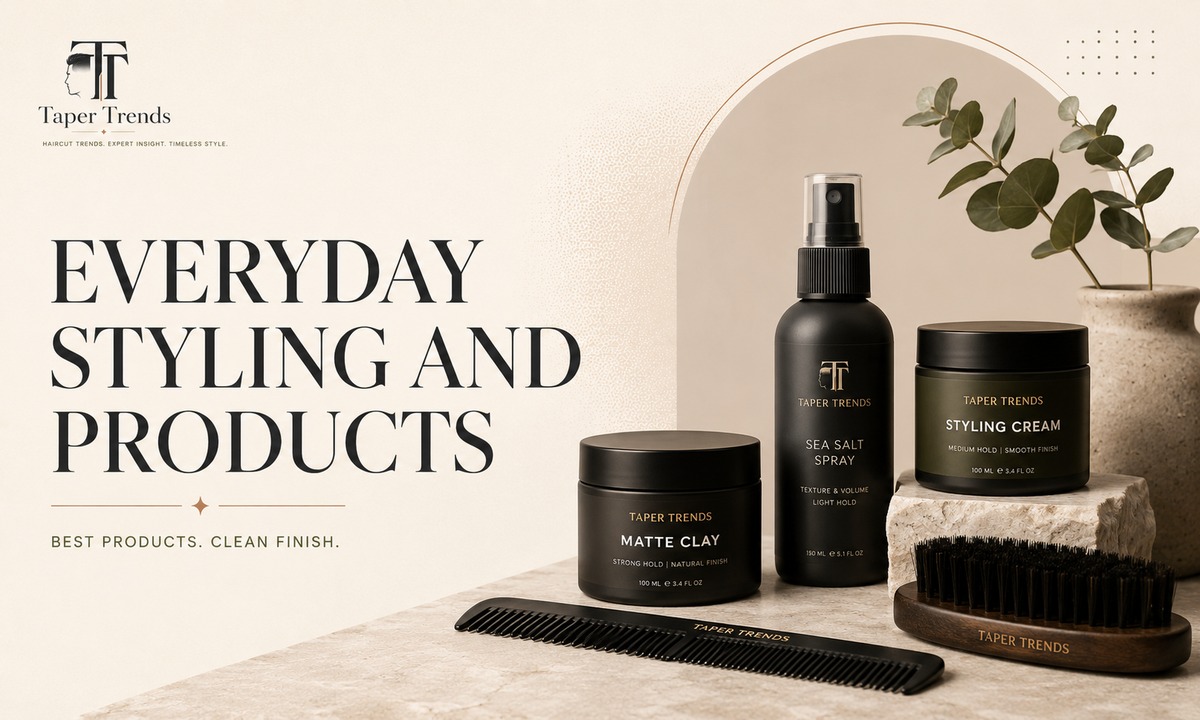
Day to day, a low taper is fairly hands-off. Most of your length is up top, so a quick comb-through or a bit of light product is usually enough. A mid taper takes a little more attention, since the shorter sides create more contrast, and you will want to shape the top so it does not look mismatched with the sharper fade underneath.
For a low taper, a light pomade or cream gives a soft, natural finish. For a mid taper, matte clay is a solid choice when you want texture and hold without shine. If you have curls, a curl cream defines the top while the fade stays clean underneath. Whatever you reach for, go lighter rather than heavier. Heavy product weighs the top down and makes a fade look grown-out faster than it is.
Pros and cons at a glance
Low taper fade
Pros
- Subtle and professional
- Grows out slowly and forgivingly
- Low daily styling effort
- Kind to fine or thinning hair, since it keeps side density
Cons
- Less contrast, so it can look plain without a defined top
- Not the best default for round faces unless you add height on top
Mid taper fade
Pros
- Sharper, more modern look
- Good for showing off curls or thick texture
- Adds height and definition, which flatters round and angular faces
Cons
- Needs touch-ups more often
- Regrowth shows faster
- A little more daily styling
How to ask your barber
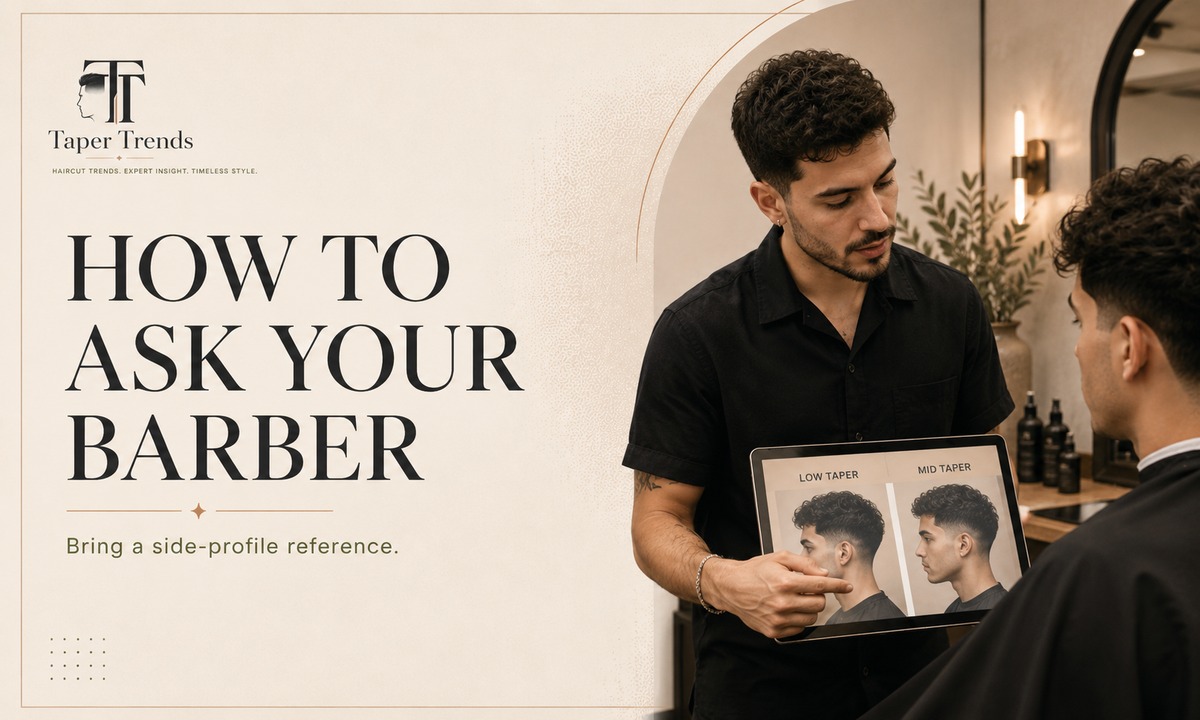
Vague requests are where fades go wrong. Saying “taper fade” alone lets the barber default to their own idea of height, so always name low or mid.
“Low taper fade, please. Keep the fade close to my ears and neckline, and don't take too much off the sides.”
“I'd like a mid taper fade — start the blend around my temple, and keep good contrast between the sides and the top.”
For either one, follow up with how short you want the sideburns, whether you want the neckline squared off or rounded, and how much length to leave on top. And bring a reference photo. Fade height and contrast mean slightly different things from one barber to the next, so a photo sets clear expectations before the clippers start. Pull one or two shots that show the side profile, not just the front, and ask the barber to show you the sides in the mirror before they finish so you can catch anything early.
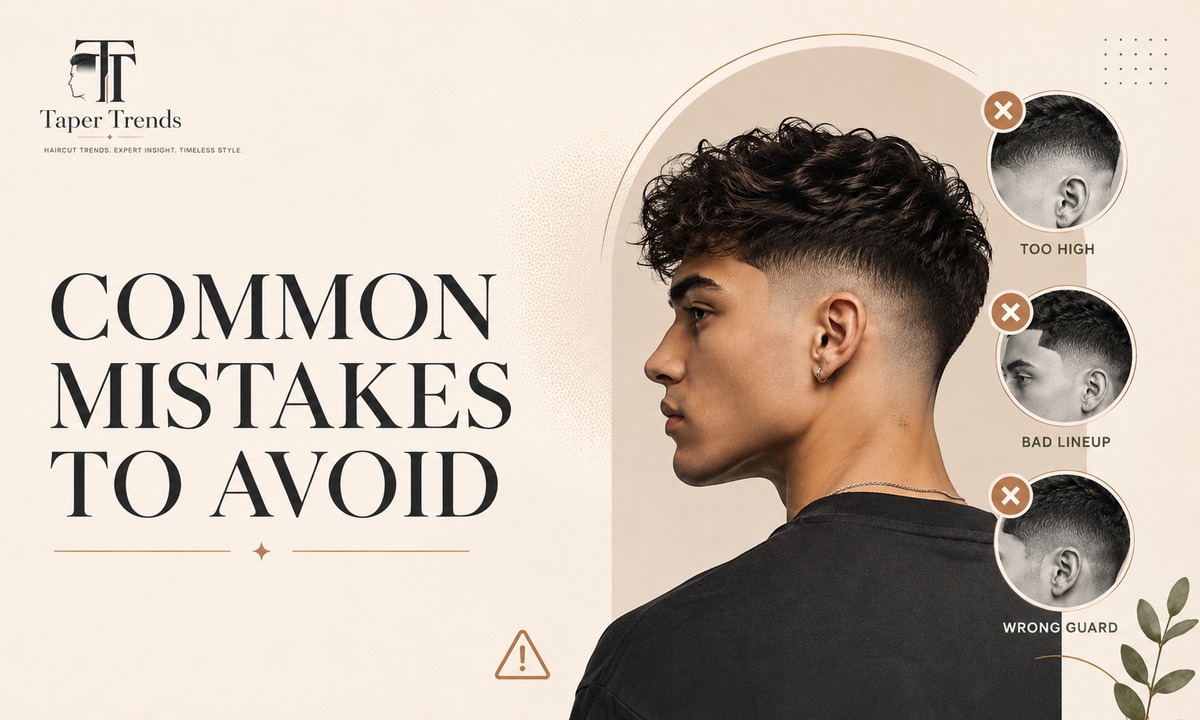
Common mistakes to avoid
- Chasing the trendPicking a cut purely because it is trending is the big one. What looks great on someone else may not match your hair type or face shape.
- Skipping the fade heightLeaving it to guesswork means the barber picks for you. Always clarify low or mid before they start.
- Ignoring cowlicksIf you have a stubborn swirl or cowlick, mention it first, since it affects how the blend meets your hairline and part.
- Asking for skin without knowingA skin fade takes the hair all the way down to bare skin, which brings more contrast and more upkeep than a standard taper. If you're used to low-maintenance cuts, that jump can catch you off guard.
Final verdict: low taper fade or mid taper fade?
Both are great cuts. The right one is about you.
Choose a low taper fade if
- You want a clean, professional look that's easy to maintain
- You're cutting for school, work, or formal settings
- Your face is on the longer side
- You have fine or thinning hair and want to keep side density
Choose a mid taper fade if
- You want sharper contrast and a more modern edge
- You have curly or thick hair you want to show off
- A rounder face would benefit from height and slimmer sides
- You don't mind touch-ups every two to three weeks
If you are still unsure, start low. A low taper is the more forgiving first fade: easier to maintain, and a good baseline to see how a fade suits you before going bolder next time. Most guys who end up loving a mid taper started with a low one. And if you want to compare a taper against a true fade rather than another taper, our low taper vs low fade guide covers that side of the decision.
FAQs about low taper fade vs mid taper fade
What is the main difference between a low taper fade and a mid taper fade?
Where the fade starts. A low taper begins near the ears and neckline, while a mid taper begins higher, around the temple, for more visible contrast. Everything else about the technique is the same — only the starting point changes.
Is one better than the other?
No. It comes down to your style, face shape, hair type, and how much upkeep you want. A low taper is softer and lower maintenance, while a mid taper is sharper and more expressive.
Which taper fade is more professional?
The low taper, thanks to its subtle, understated finish. It reads as neat and deliberate rather than flashy, which suits interviews, client meetings, and conservative dress codes.
Which fade is better for curly hair?
A mid taper usually. The higher blend adds contrast that makes the curl pattern stand out, and the sharper fade line frames the texture so it reads as intentional.
Which taper fade suits a round face?
Generally a mid taper. It removes side bulk and adds vertical lines that slim a round face, while a low taper can add width. If you want a low taper anyway, pair it with height or texture on top.
Does a mid taper fade grow out badly?
It shows regrowth sooner than a low taper because the fade sits higher, but regular touch-ups every two to three weeks keep it looking sharp.
Is a low taper fade good for school?
Yes. It is neat, subtle, and fits most dress codes, which makes it one of the safest fades for classrooms and formal settings.
Can you get a low taper fade with a beard?
Yes, and it blends into a beard especially well. The low neckline melts straight into the beard line for a smooth, connected look from the sideburns down to the jaw.
Is a mid taper fade the same as a mid fade?
Not quite. People use the terms loosely, but a taper keeps more length on the sides and fades mainly around the ears and neckline, while a straight mid fade takes the sides shorter, often to skin. A mid taper is the softer version.
Bottom line
When it comes to low taper fade vs mid taper fade, the right answer follows the look you are after. A low taper is softer, cleaner, and lower-maintenance, and it suits work, school, and longer faces. A mid taper brings sharper contrast and a more modern edge, and it does more for curly or thick hair and rounder faces that want slimming height.
Either way, the haircut only lands if you talk it through with your barber first. Fade height, sideburn length, and neckline shape decide whether you walk out with the cut you pictured or something close but not quite it.
Want more taper fade guides?
Browse clean, barber-ready breakdowns for every hair type.